

JeekoTheGreat.com banner
Chaos File #009

Filed by Rick Danner.

Mountain Lion Interrupts Driving Range
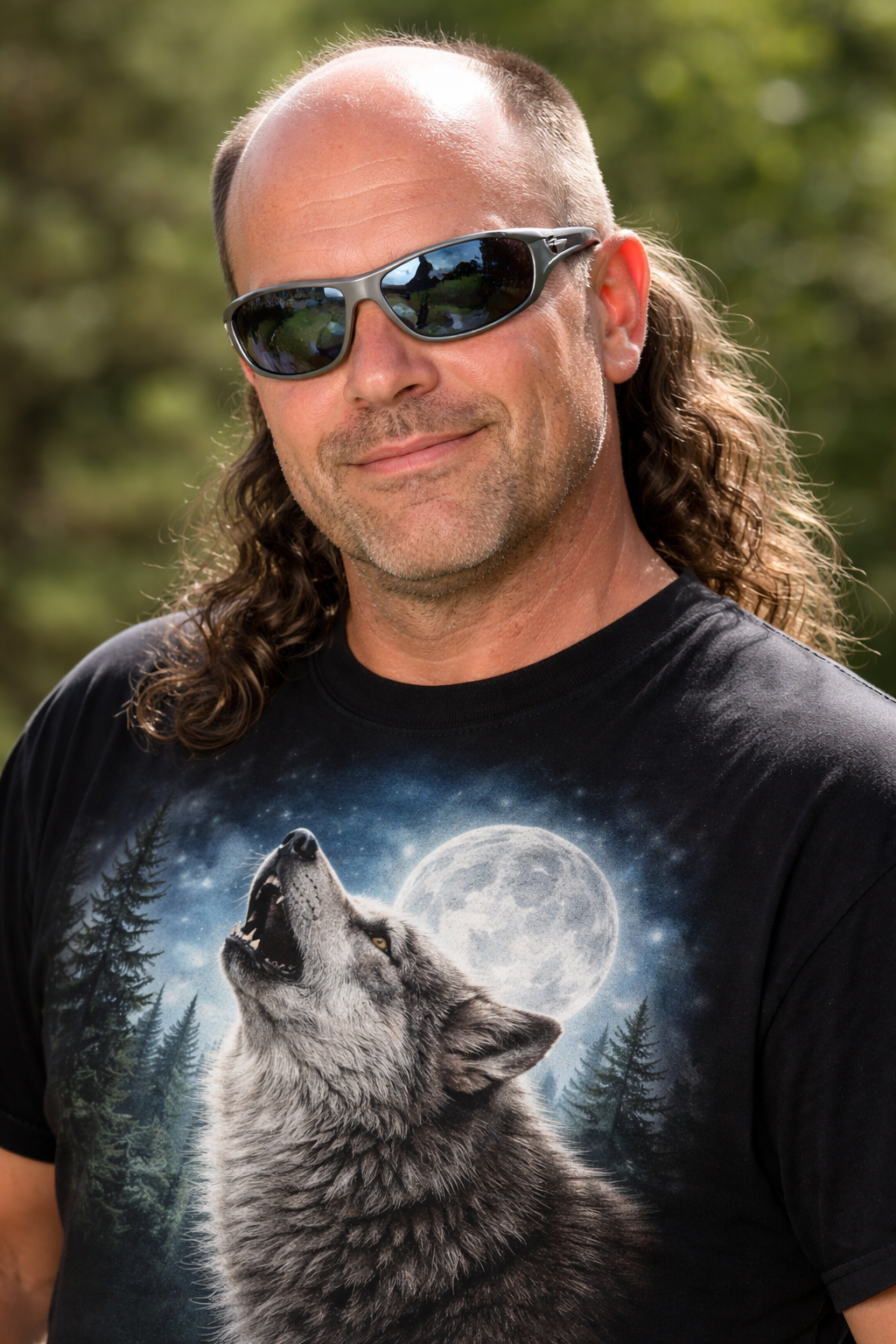
Rick Danner

Mountain Lion Interrupts Driving Range

Rick “Wolfpack” Danner here.

I’ve reviewed the footage, and the mountain lion is receiving an unfair amount of criticism. The original cause of this incident was geography. Somebody built a driving range directly beside excellent mountain lion habitat, then everybody acted surprised when the mountain lion continued using the mountain lion habitat. That’s not a wildlife problem. That’s a planning problem.

The lion’s behavior is remarkably focused. It isn’t wandering, exploring, or sightseeing. It has selected an objective and committed to it with professional determination. Meanwhile the dog has switched entirely to emergency propulsion, powered by the oldest survival technology on Earth: absolute panic. The fact that the dog escapes is fortunate, but it should never be confused with the situation being under control. There is a significant difference between “everything worked out” and “everything almost didn’t.”

I’ve seen this pattern before. A goose once launched itself directly into a moving golf cart, turning an ordinary ride into an interior avian emergency. Different species. Same operational lesson. The moment recreation begins sharing space with wildlife, the humans stop setting the schedule.

My conclusion remains unchanged: the desert doesn’t care what your tee time was.

Field note: the desert doesn’t care what your tee time was.

Back Home

Story

What happened

Golfers at a desert driving range witness a dog running down a steep hillside with a mountain lion chasing closely behind. The pursuit passes in full view of the range before the dog appears to outrun the lion and escape.

Why it works

The chaos moment

The clip begins like a routine day at the driving range before abruptly becoming a real wildlife encounter. The speed of the chase, the visibility of both animals, and the uncertainty of the outcome make it difficult to look away, and viewers often replay it to follow the pursuit more closely.

Reality layer

From Fiction to Reality

This Chaos File uses an AI-generated comedy video as entertainment, not evidence of a real incident. Mountain lions, dogs, desert hillsides, and recreation areas can overlap in real life, though the exact scene shown here is fictional. The information below is based on real-world wildlife safety guidance and common outdoor recreation awareness.

Useful context

Could This Really Happen?

A mountain lion chase beside a golf driving range is an extreme fictional setup, but the real-world ingredients are not imaginary. Many golf courses, hiking trails, neighborhoods, parks, and resort properties sit near desert wildlife habitat, foothills, riparian corridors, or open space. In those areas, golf course wildlife can include deer, coyotes, bobcats, snakes, birds of prey, and, in some regions of North America, mountain lions. Seeing wildlife near recreation areas does not automatically mean something is wrong; it often means the recreation area was built close to habitat animals already use.

Mountain lion safety is mostly about avoiding surprise, protecting pets, and giving wildlife room. Mountain lions are generally elusive and tend to avoid people, but they are capable predators. Dogs can attract attention because they may run, bark, chase, or appear as prey depending on size and behavior. Pet safety around wildlife is especially important near dawn, dusk, and night, when many animals are more active. A dog running off leash near brush, washes, steep hillsides, or open desert edges may enter a situation the owner cannot control from a distance.

For golfers and visitors, the practical question is not whether every driving range is dangerous. Most are ordinary recreation spaces. The better question is whether the course borders natural habitat and whether people are acting like they are still in a wild landscape. Desert wildlife does not understand property lines, tee times, or the difference between a fairway and a travel corridor. If a mountain lion, coyote, or other large animal appears, the best response is calm distance. Do not approach, do not run toward it for video, do not send a pet after it, and do not assume a fence or slope means the animal cannot move through the area. Recreation near wildlife habitat works best when people respect the fact that the landscape is shared.

Practical advice

Safety & Awareness

When visiting a golf course, trail, park, or neighborhood near desert or mountain habitat, keep pets leashed and close. Scan the edges of washes, brush, rocky slopes, and quiet paths, especially early or late in the day. If you see a mountain lion, stay calm, keep it in sight, make yourself look larger, pick up small children or small pets if you can do so safely, and back away slowly. Do not run, crouch, turn your back, or approach for a closer look.

If a pet is involved, focus on control rather than chase. Call the animal back if possible, create distance, and alert staff or local wildlife authorities if the animal remains near people. For any immediate threat, follow local emergency guidance. The goal is simple: give wildlife a way out and give yourself enough space to avoid becoming part of the problem.

Quick facts

Did You Know?

  • Mountain lions are also called cougars, pumas, panthers, or catamounts depending on the region.
  • They are most active around dawn, dusk, and night, though sightings can happen during the day.
  • Mountain lions are ambush predators, so running away can trigger the wrong kind of attention.
  • Leashed pets are easier to protect and less likely to chase or surprise wildlife.
  • Golf courses near open space can function as edges between human recreation and animal habitat.
  • Wildlife agencies generally recommend standing tall, making noise, and backing away slowly during a mountain lion encounter.

Rick's Field Manual

Wildlife Near The Range

Situation: A fictional mountain lion chase cuts across the edge of a desert driving range.

Risk Level: High if people or pets move toward the animal, run blindly, or lose control of a dog near habitat.

Real-World Likelihood: A visible chase like this is uncommon; wildlife crossing near golf courses, trails, and desert neighborhoods is realistic in the right regions.

Best Response: Keep pets leashed, create distance, stay upright, make yourself known, and let the animal leave without turning the moment into a crowd scene.

Chaos Rating: 9 out of 10. The desert entered the calendar and declined to check the tee sheet.

Keep watching

More Chaos Files