

JeekoTheGreat.com banner
The Day Physics Personally Ended The Argument

Filed by Rick Danner.

The Day Physics Personally Ended The Argument
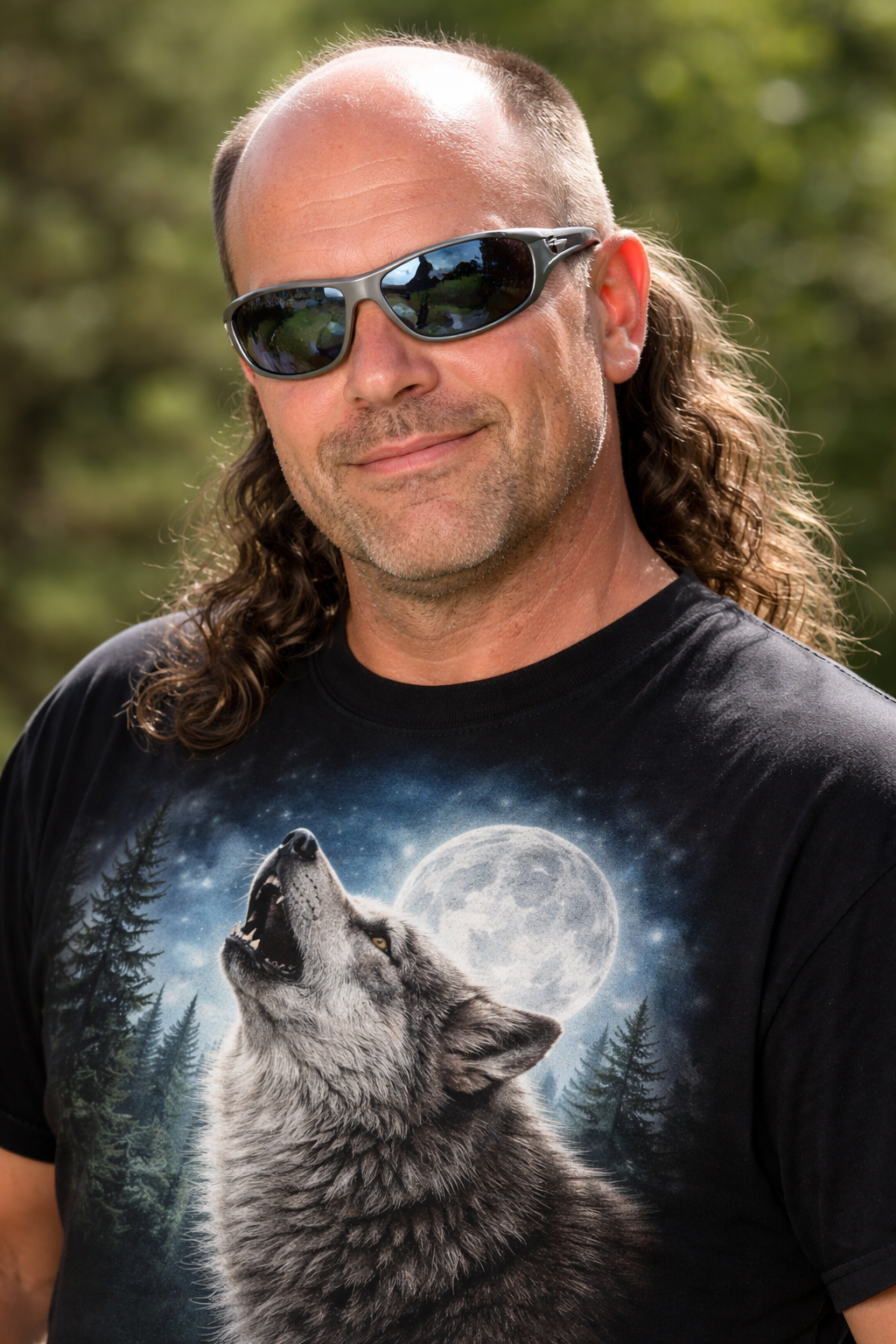
Rick Danner

The Day Physics Personally Ended The Argument

Rick “Wolfpack” Danner here. I just watched a man descend a hill on a bicycle like he’d been personally chosen to deliver a message to the golfing community. Full confidence. Full speed. Yelling “HEY GOLFER STUPIDS!” like he was addressing the United Nations of poor decision making. And for one brief moment, I honestly believed he might pull it off.

Then physics stepped in like an unpaid security guard.

That launch was incredible. Not controlled, not intentional, just pure momentum separating a man from his original plan at high velocity. One second he was a critic of golf culture, the next he was an airborne hydration event. I haven’t seen a tactical miscalculation unfold that fast since a guy in Tulsa tried to deep fry a frozen turkey indoors during a lightning storm. Absolute cinema.

Field note: the camera arrived right before the universe made a bad decision. No long setup required.

Back Home

Story

What happened

A man rode downhill toward a golf course at full speed yelling “HEY GOLFER STUPIDS!” with complete confidence and absolutely no surviving backup plan. For one brief moment, it looked possible. Then physics arrived.

Why it works

The chaos moment

The clip works because confidence collapses faster than the bicycle does. You get just enough time to believe the plan might work before reality personally intervenes.

Reality layer

From Fiction to Reality

This Chaos File is based on an AI-generated comedy video created for entertainment. The fairway bike launch is fictional, but unexpected hazards in shared recreation spaces are real enough to deserve a practical look. The notes below use the fictional setup as a springboard for real-world safety, situational awareness, and outdoor recreation basics.

Useful context

Could This Really Happen?

A bicycle launching across a golf cart and landing in a pond is cartoon-level chaos, but the underlying safety question is real: how do unexpected hazards happen in places that feel controlled? Golf courses, parks, trails, campuses, and resort paths often combine pedestrians, carts, bikes, maintenance vehicles, water features, slopes, blind corners, and people who are not all paying attention to the same thing. That mix makes situational awareness important even during activities that feel relaxed.

Shared recreational spaces work best when everyone understands that the environment is not private. A golf course may look open, but it is still a managed activity area with cart paths, tee boxes, greens, workers, players, and bystanders moving through overlapping routes. A cyclist cutting through a course, a rider descending a hill too fast, or a pedestrian stepping into a cart path can create a bicycle safety problem before anyone has time to react. Speed reduces decision time, and downhill speed reduces it even more. Once a rider is committed to a slope, braking distance, traction, steering, and surface changes start making decisions on the rider’s behalf.

The bigger lesson is not “expect a stunt rider on every fairway.” It is that outdoor recreation safety depends on scanning beyond the obvious task. Golfers focus on shots. Cyclists focus on lines and speed. Walkers focus on conversation. Cart drivers focus on the next hole. None of those are wrong, but they can leave gaps. The best habit is a simple loop: look ahead, check the sides, notice movement, slow down near crossings or blind areas, and assume other people may not understand the space as well as you do. That kind of calm awareness prevents more problems than dramatic last-second reactions ever will.

Practical advice

Safety & Awareness

In any shared outdoor area, keep your head moving and treat blind spots with respect. Slow down near cart paths, water hazards, slopes, parking lots, trail crossings, and areas where people may enter unexpectedly. If you are riding a bike, wear a helmet, control your speed before the downhill section begins, and avoid cutting through active sports areas unless the route is clearly allowed. If you are driving a cart, assume pedestrians and riders may appear from angles you are not watching yet.

For groups, the simplest safety tool is communication. Call out hazards calmly, point out crossing traffic, and do not crowd a path when someone else is moving through it. Nobody needs to turn a normal afternoon into an incident report just because everyone assumed the other person saw them.

Quick facts

Did You Know?

  • Downhill speed can increase quickly enough that braking late may not prevent a loss of control.
  • Helmets reduce the risk of serious head injury in many bicycle crashes, especially falls and ejections.
  • Golf carts can tip, skid, or eject passengers when driven too fast on slopes, wet grass, or sharp turns.
  • Shared-use paths work best when faster users slow down around pedestrians and blind corners.
  • Water hazards, ponds, and drainage areas can hide slick edges or sudden changes in terrain.

Rick's Field Manual

Unexpected Fairway Hazard

Situation: A fictional cyclist enters a golf course at speed and becomes a flying public-safety memo.

Risk Level: Moderate to high when speed, slopes, carts, pedestrians, and water are sharing space.

Real-World Likelihood: A launch like this is unlikely; unexpected bikes, carts, walkers, or maintenance vehicles are much more plausible.

Best Response: Slow down early, scan wide, communicate hazards, and give every moving object more room than your ego thinks it needs.

Chaos Rating: 8 out of 10. Strong form, poor route planning, immediate aquatic consequences.

Keep watching

More Chaos Files